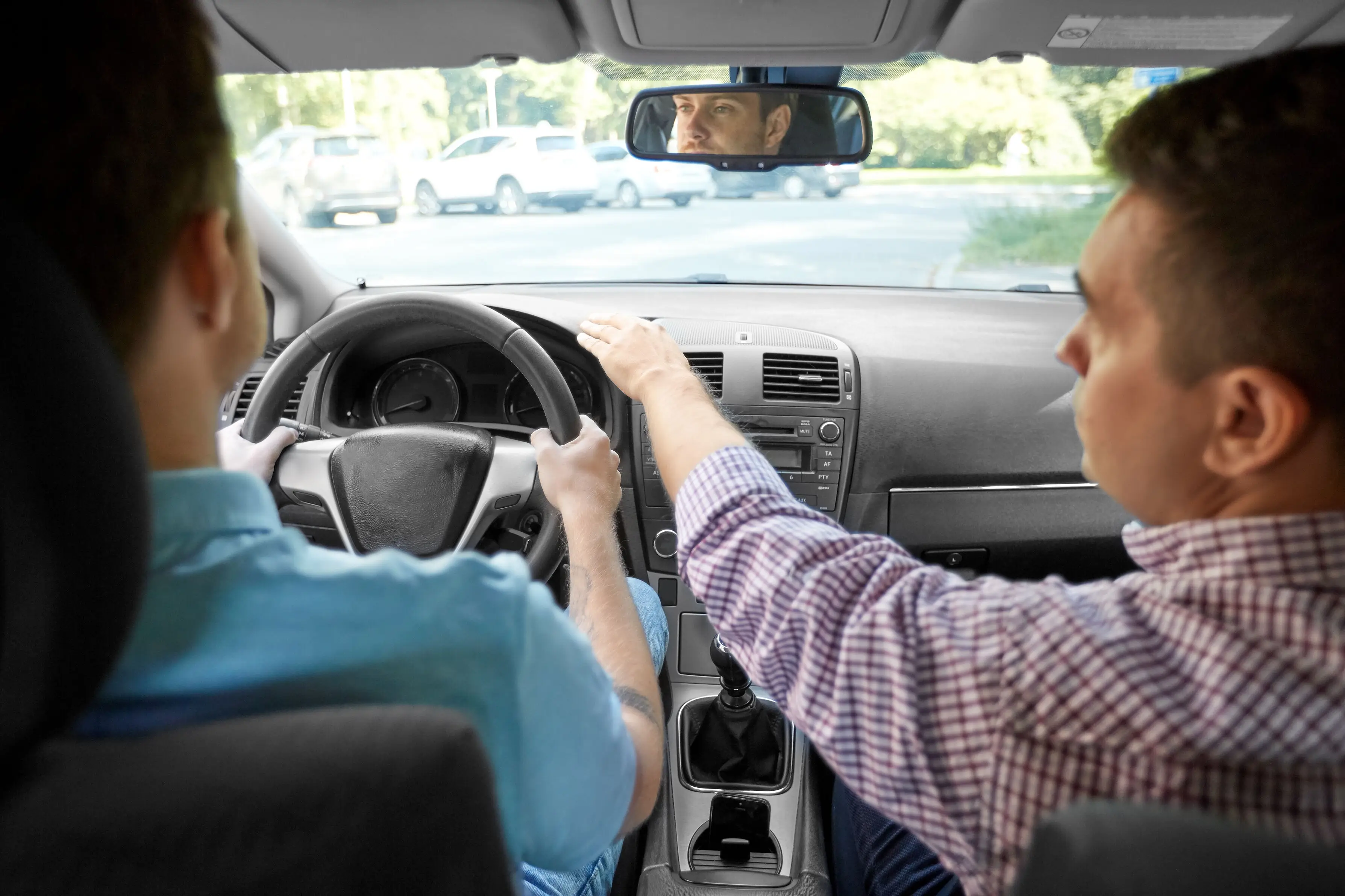



Learning to drive presents numerous challenges in addition to being an enjoyable milestone. When learning the subtleties of driving, rookie drivers usually face a steep learning curve. Awareness and suitable training are essential for increasing safety and confidence. The purpose of this blog article is to outline the top five mistakes that beginner drivers make and offer useful advice on how to prevent them.
Mistake #1: Overconfidence
Overconfidence is a typical mistake among rookie drivers.
A. Description of the issue
- Underestimating road hazards: Novice drivers may overestimate the hazards they confront, leading to unnecessary risk-taking.
- Overestimating one's own ability: After a few successful travels, inexperienced drivers may develop an invincible attitude, believing they can handle any situation.
B. Effects of Overconfidence
Overconfidence can lead to dangerous driving, accidents, and significant injuries. It is a dangerous mentality that can jeopardise both the driver and other motorists.
C. How to avoid it?
- Keep a learning mindset: Be eager to learn new abilities and increase your driving expertise.
- Seek tips from experienced drivers: They can provide insightful feedback and tips to help you progress.
- Gradually gain experience in numerous situations: Begin with easy routes and progress to more demanding driving circumstances.
Mistake #2: Distracted Driving
Distracted driving is a serious problem, especially for inexperienced drivers who may lack the multitasking abilities essential for safe driving.
A. Typical distractions for rookie drivers
- Mobile phones: Sending messages or having phone conversations might divert one's attention away from the road.
- Food or drink: Eating or drinking while driving might lead you to lose control of the car and your eyes from the road.
- Adjusting music or GPS: Playing with the radio or GPS might be a dangerous diversion.
B. Dangers of Distracted Driving
Distracted driving increases the chance of an accident by reducing response time and situational awareness.
C. Prevention Strategies
Before embarking on the voyage, make the following preparations:
- Make sure your phone is in do not disturb mode, your GPS is on before you leave.
- Use the do-not-disturb function on gadgets. Most cellphones contain features that might help you avoid distractions while driving.
- Pull over securely if something needs attention. Find a safe place to pull over if you need to make any changes or deal with a distraction.
Mistake #3: Improper Mirror and Blind Spot Checks
Proper mirror and blind spot checks are essential for safe driving, yet many inexperienced drivers neglect them.
A. The importance of visibility when driving
Visibility is essential for making informed judgements and avoiding accidents.
B. Common mistakes in mirror usage
New drivers may fail to correctly adjust their mirrors or routinely check their blind zones.
C. How to correctly inspect the mirrors and blind areas
- Proper mirror adjustment techniques: Position your mirrors so that you get the best view of the road.
- Check your blind area when making a head turn: Before changing lanes, always swivel your head to examine your blind zones.
- Create a consistent checking routine: Make it a habit to regularly check your blind areas and mirrors while driving.
Mistake #4: Incorrect Following Distance
Maintaining a proper following distance is critical for preventing accidents.
A. Explaining safe following distances
Maintaining a safe following distance allows you enough time to respond if the car in front of you comes to a sudden halt.
B. Risks of Tailgating
Tailgating raises the chances of a rear-end accident, which can result in serious damage and injuries.
C. Tips for Keeping Proper Distance
- The three-second rule: This regulation dictates that you should give the automobile in front of you at least three seconds' space.
- Adjusting to varied weather conditions: Inclement weather necessitates longer stopping periods, thus extending the following distance.
- Anticipate abrupt stops: To avoid sudden braking, be alert and analyze other drivers' movements.
Mistake #5: Neglecting Vehicle Maintenance
Regular vehicle maintenance is critical to ensuring safety and dependability.
A. Why maintenance is crucial for new drivers
Proper maintenance prevents breakdowns and accidents caused by mechanical failures.
B. Common maintenance oversights
New drivers typically fail to do standard maintenance such as oil changes, tire pressure checks, and brake inspections.
C. Basic Maintenance Checklist
- Regular fluid checks: Keep a check on your coolant, engine oil, and other important fluids.
- Tire pressure and tread depth: Make sure your tires have enough tread and are properly inflated.
- Understanding Warning Lights: Determine what each of your dashboard's warning lights indicates, and then act quickly to resolve any issues.
Conclusion
Driving is a skill that demands continual practice and alertness. New drivers may boost their road safety and confidence by learning about frequent errors and taking proactive steps to avoid them. Remember that each trip is an opportunity to enhance your driving abilities and make the roads safer for everyone.