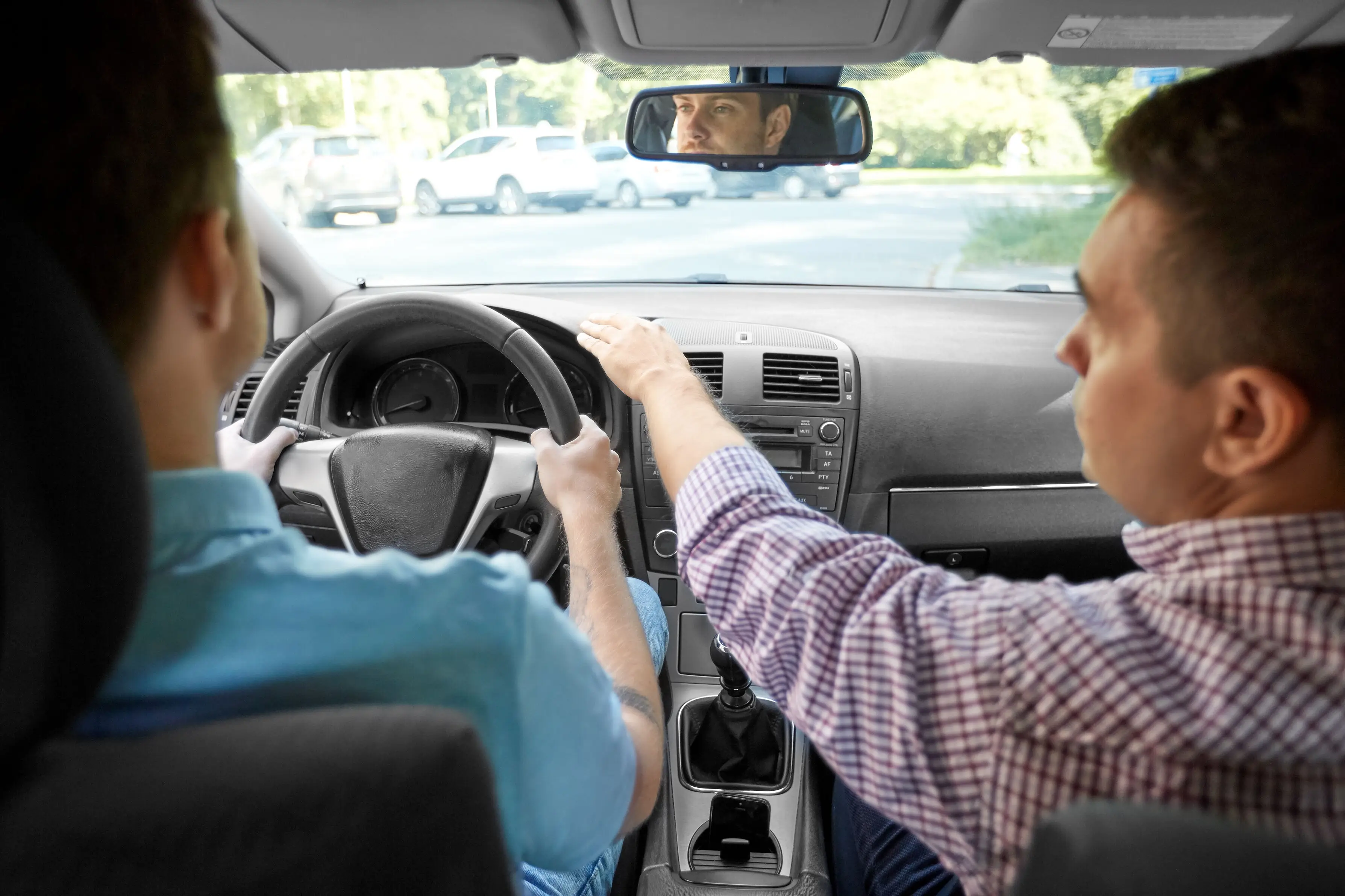


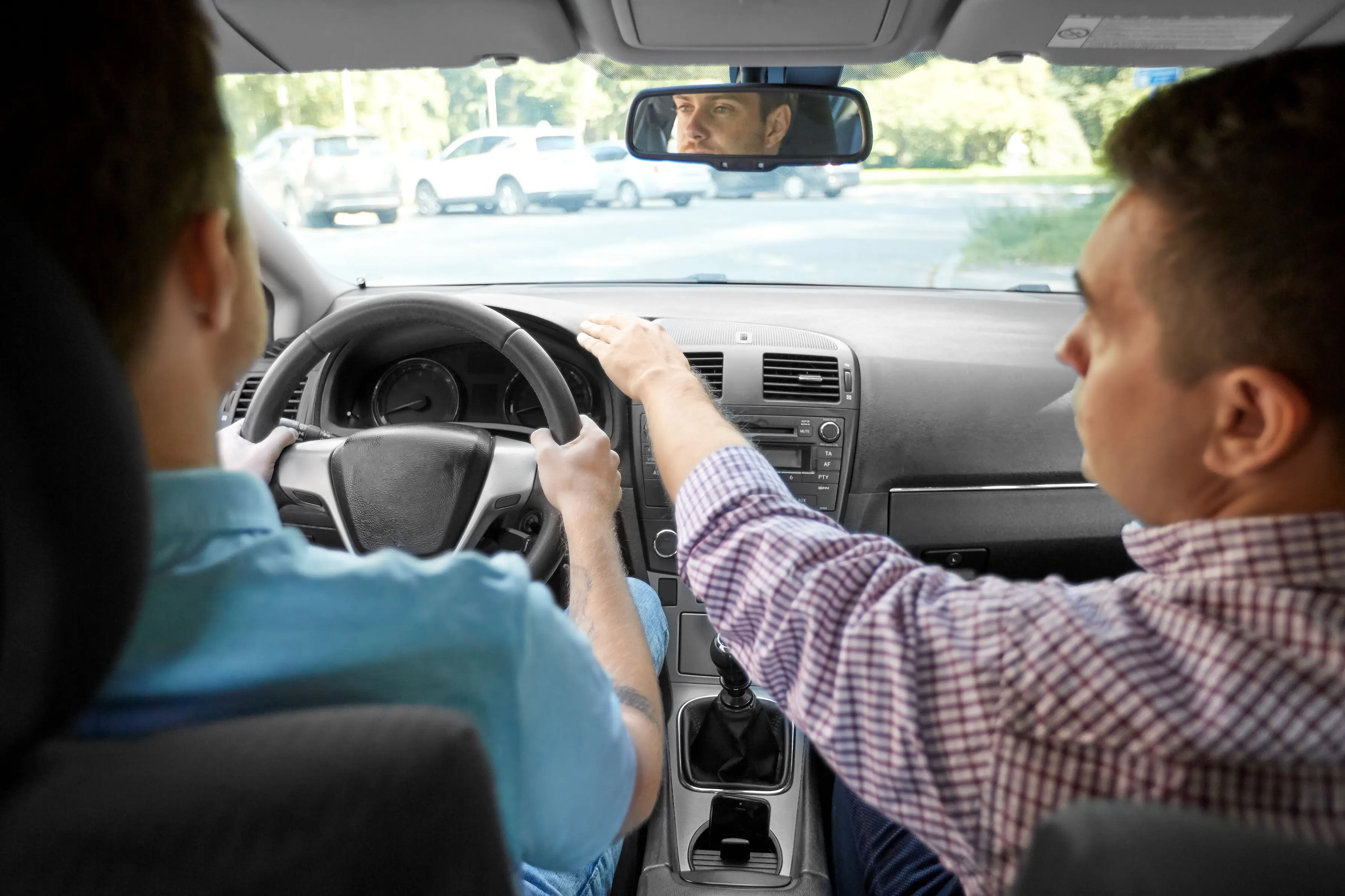
Driving sometimes seems second nature to those who have spent years behind the wheel. However, the confidence gained from a lot of driving experience can often mask the necessity of continuous education and adaptation.
Evolving road conditions and regulations demand that all drivers, including veterans, continually sharpen their skills. This article explains why regular tune-ups are essential for professional drivers, as well as the benefits of staying current with modern driving techniques. Here are some reasons why even experienced drivers need refresher courses to improve their driving.
Driving sometimes seems second nature to those who have spent years behind the wheel. However, the confidence gained from a lot of driving experience can often mask the necessity of continuous education and adaptation.
Evolving road conditions and regulations demand that all drivers, including veterans, continually sharpen their skills. This article explains why regular tune-ups are essential for professional drivers, as well as the benefits of staying current with modern driving techniques. Here are some reasons why even experienced drivers need refresher courses to improve their driving.
-
The Myth of the "Perfect" Driver
The notion of the flawless driver is a myth. Everyone, including professional drivers, succumbs to the effects of overconfidence, resulting in the adoption of poor practices. These may include not using signals when changing lanes or relying excessively on GPS navigation. Such behaviours reduce a driver's capacity to respond effectively to unpredictable events on the road. Continuing education is critical to maintaining high driving standards and preventing traffic accidents.
-
Changes in Road Rules and Infrastructure
The driving environment has drastically changed in recent years. New traffic laws, such as the penalties for using mobiles while driving, also require regular attention. Aside from that, new road designs and intelligent traffic management systems are becoming the order of the day. For drivers to safely navigate these changes, they must be in tune with the new traffic signs and road infrastructure.
-
Advancements in Vehicle Technology
Vehicle technology has advanced significantly, with many safety features now standard in modern cars. Lane departure systems, automatic speed control, and emergency brake assist are just a few examples. However, these features require effective use by drivers. The increasing use of electric and hybrid vehicles also presents new challenges in car management and servicing. To cope with all these new innovations, a refresher driving course is necessary.
-
Refreshing Defensive Driving Techniques
Safe driving is one way of avoiding an accident. We should maintain safe distances and learn the behaviour patterns of other drivers. These are useful for experienced drivers because they refresh their driving skills.
Defensive driving courses also frequently address handling unpredictable elements, such as aggressive drivers or adverse weather. Our experienced drivers can give you a quick refresher course in defensive driving. It will help you to overcome different driving challenges you may face in your daily driving.
-
The Myth of the "Perfect" Driver
The notion of the flawless driver is a myth. Everyone, including professional drivers, succumbs to the effects of overconfidence, resulting in the adoption of poor practices. These may include not using signals when changing lanes or relying excessively on GPS navigation. Such behaviours reduce a driver's capacity to respond effectively to unpredictable events on the road. Continuing education is critical to maintaining high driving standards and preventing traffic accidents.
-
Changes in Road Rules and Infrastructure
The driving environment has drastically changed in recent years. New traffic laws, such as the penalties for using mobiles while driving, also require regular attention. Aside from that, new road designs and intelligent traffic management systems are becoming the order of the day. For drivers to safely navigate these changes, they must be in tune with the new traffic signs and road infrastructure.
-
Adapting to New Environmental Challenges
Climate change effects are emerging, leading to new challenges for drivers. The increased incidence of weather vagaries, such as heavy downpours and strong winds, poses new challenges for drivers. These conditions require motorists to master vehicle control under various environmental stressors. Furthermore, urbanisation causes traffic jams, meaning that drivers have to be very attentive and patient. A refresher course in our school can help sharpen your on-road driving skills.
-
Health and Ageing Considerations
Some drivers' reflexes and vision may diminish as they age, affecting their driving ability. Drivers must understand that such changes are inevitable and should be prepared to adapt. Frequent checkups and changes in driving style can help to mitigate these effects. For example, older adults should avoid driving at night or during rush hour.
-
Eco-Driving and Fuel Efficiency
Eco-driving is a type of driving that not only supports environmental preservation but also has economic advantages because of fuel conservation. Conserving gears, constant speed, and vehicle checkups are some of the ways that can significantly increase a vehicle's fuel efficiency. Training more experienced drivers in the best driving practices can yield long-term benefits.
-
Dealing with Distractions in the Modern World
Drivers face a multitude of distractions in this digital age. The biggest distractions are smartphones and the complex interfaces of modern cars' infotainment systems. Knowing how to use these technologies safely while at the wheel becomes mandatory. This involves putting the smartphone in 'do not disturb' mode and understanding the car's settings before driving. This is another reason why even experienced drivers must update their driving skills on a regular basis.
-
The Benefits of a Refresher Course
Refresher courses given to experienced drivers enable them to test their road skills since they are free from common traffic congestion. Such courses provide close attention and concentration to the black spots and strive to address the broad issue of developing competence and confidence to drive.
-
How a Tune-Up Can Save Lives
Statistics show that experienced drivers sometimes are also involved in traffic accidents. Seasoned drivers can substantially increase everyone’s road safety by enhancing their driving competencies. These are useful in creating a safer driving environment because new drivers will emulate the older and more experienced ones.
Conclusion
For a variety of reasons, experienced drivers should consider periodic driving tune-ups. A tune-up has several advantages, ranging from staying current with new technology and changing traffic rules to increasing fuel economy and driving pleasure.
Continual learning and adaptation are essential for maintaining driving proficiency. For the safety of all road users, keeping driving skills finely tuned is a responsibility that every driver should embrace.